
When we see eye to eye, real progress can be made.
Graduate workers make UVM run — the teaching, the research, the labs that give this university its reputation. We come to the table ready to bargain in good faith, and we believe the administration can too. But shared goals don't protect anyone. The only way this is achievable is through a strong first contract.
Every recap, every counter, every session note — published as they happen at uvmgsu.uaw2322.org/bargaining.
Bargaining & Work-In
- Work-In: 1 – 3 PM · Davis Center, Room 403 (Williams Family Room) — Food and workspace provided
- Bargaining session: 1 – 5 PM · Davis Center, Room 403 (Williams Family Room)
Come work alongside us while we bargain. Bring your laptop and spread the word.
Recent Update
Bargaining Session #37 — June 10, 2026
We handed over strong counters to Nondiscrimination and Grievance & Arbitration! Management had been misrepresenting the impact of a recent court ruling, but we laid out the facts for them. Even the court ruling made it clear Title IX related topics can be enforced through Union contracts. Through this discussion, we finally got management to start talking about the specifics of our counter rather than acting as if they cannot work with us.
The Bargaining Committee needs your help to push management into giving us a fair contract. Disappointingly, management had no counters to give us today despite sitting on plenty of articles to counter. They have been moved by powerful displays of collective power and your overwhelming show of support through testimony. Submit your testimony on why we deserve higher wages this week so we can deliver them to management at our June 23rd Work-In!
REMINDER: We need you engaged in every step of the process. This is how we win a stronger contract.
| Article | GSU-UAW2322 | UVM |
|---|---|---|
| Health Insurance ($) | Members could elect to keep their current SHIP plan or pay a reduced premium for the comprehensive PPO1 plan. | waiting on counter |
| Compensation ($) | 9 months = $30,366.64 · 12 months = $40,435.20 | waiting on counter |
| Tax Assistance ($) | UVM covers costs required to file taxes for GSEs. | waiting on counter |
| Professional Development ($) | Up to $1,000 per GSE for conferences, workshops, etc. | waiting on counter |
| Travel & Reimbursement ($) | Formalizes timelines on reimbursements. | waiting on counter |
| Emergency Fund ($) | Increase access to this fund to an as-needed basis. | waiting on counter |
| Parental Benefits ($) | Childcare fund for GSEs ($75,000). | waiting on counter |
| Parking & Transit ($) | More daily permit access, White lot parking, and commuting benefits. | waiting on counter |
| Workload ($) | Ensures required workload matches your contract (20 hours for most GSEs). | waiting on counter |
| Leaves of Absence ($) | Dignified sick, parental, bereavement, and visa leave. | waiting on counter |
| Tuition and Fees ($) | Enshrines that the cost of tuition and fees is not on you to pay. | waiting on counter |
| Appointment Security ($) | Ensures your appointment and funding is honored. Minimum appointment length of 9 months. | waiting on counter |
| Holidays and Vacation ($) | Double or triple your current vacation time. | waiting on counter |
| Discipline & Dismissal | Process and protections from discipline and termination. Union receives notification to offer representation; details only shared if member files a FERPA waiver. | Insists that if your job is in any way related to academic/thesis work, it's not subject to these protections. Won't notify the Union of discipline or firing unless you file a FERPA waiver. |
| International Worker Rights | Pathway to work outside Vermont/country. Protections against ICE on campus and privacy protections. | Wants contract violations to be unenforceable. |
| Grievance & Arbitration | Robust grievance procedure, including for non-discrimination. | Holding out to try to make Nondiscrimination not grievable (not enforceable). Waiting on counter. |
| Non-Discrimination & Harassment | Strong language preventing discrimination and harassment. | Priority is limiting UVM's liability. Wants to make violations unenforceable. Waiting on counter. |
| Union Access & Rights | Outlines resources necessary to represent you. FERPA waiver process completed with hiring paperwork. | Wants to limit the information we're legally entitled to by weaponizing FERPA. Wants to bar us from classrooms, labs, and research/instructional spaces. |
Synced June 10, 2026
“P:” = package proposal · “Rejected” = admin rejected our last counter
Outstanding Articles
We're working on:
| Article | Our Last Proposal | Last Admin Proposal |
|---|---|---|
| Non-Discrimination | 2/11/26 | 5/27/26 |
| Grievance and Arbitration | 4/9/26 | 5/27/26 |
| Discipline and Discharge | 4/16/26 | 5/27/26 |
| International Graduate Workers Rights | 4/16/26 | 5/4/26 |
| Academic Freedom | 12/11/25 | Rejected 1/15/26 |
| Successorship | 8/14/25 | Rejected 9/25/25 |
| Management and Academic Rights | P: 11/11/25 | 1/15/26 |
| No Strike No Lockout | 2/27/25 | 4/3/25 |
| Policies and Procedures | P: 2/13/25 | 2/11/26 |
Waiting on Admin:
| Article | Our Last Proposal | Last Admin Proposal |
|---|---|---|
| Compensation | 5/27/26 | Waiting on Mgmt |
| Health Insurance | 5/27/26 | Waiting on Mgmt |
| Tax Assistance | 5/27/26 | Waiting on Mgmt |
| Parking and Transit | 5/27/26 | Waiting on Mgmt |
| Parental Benefits | 5/27/26 | Waiting on Mgmt |
| Travel and Reimbursement | 5/27/26 | Waiting on Mgmt |
| Emergency Grant Program | 5/27/26 | Waiting on Mgmt |
| Holidays and Vacations | 4/16/26 | Waiting on Mgmt |
| Leaves of Absence | 5/4/26 | Waiting on Mgmt |
| Appointment Security | 5/4/26 | Waiting on Mgmt |
| Tuition and Fees | 5/4/26 | Waiting on Mgmt |
| Professional Development | 5/27/26 | Waiting on Mgmt |
| Workload | 5/27/26 | Waiting on Mgmt |
| Definitions | 9/23/24 | Waiting on Mgmt |
| Union Access and Rights | 4/9/26 | 3/16/26 |
Tentatively agreed — 11 articles locked in
| Article | Our Last Proposal | Last Admin Proposal |
|---|---|---|
| Mutual Expectations | 10/28/24 | 10/28/24 |
| Union-University Committee | 10/28/24 | 11/11/24 |
| Severability | 12/9/24 | 12/9/24 |
| Union Security | 9/25/25 | 9/25/25 |
| Employment Files | P: 7/17/25 | 9/25/25 |
| Health and Safety | 9/25/25 | 9/25/25 |
| Training | 11/11/25 | — |
| Job Posting | 12/11/25 | 11/11/25 |
| Intellectual Property and Copyright | 1/20/26 | 1/20/26 |
| Recognition | 2/26/26 | 3/16/26 |
| Appointment Reappointment | 4/9/26 | 4/9/26 |
When the room goes quiet
Negotiations stall. Counter-proposals get held. Sessions wrap with nothing to take back to members. We give the administration the benefit of the doubt every time — these processes are hard, the calendars are crowded, and good faith takes time.
The pattern is what concerns us. Multiple times the union has had to go to court to enforce rights the administration agreed to. The pace of progress on this contract is hard to square with the values the university publishes about itself. Respect. Integrity. Openness. Responsibility. Those words mean something — or they don't.
We are not asking for extraordinary treatment. We are asking the people sitting across from us to be the people their own values statement describes. We are accountable for what we say and do. We expect the same in return.
UVM's own words — Our Common Ground
The university publishes a values statement that names what UVM aspires to be. The same values that should shape any classroom, hallway, or office conversation are the values that should shape what happens at the bargaining table.
Respect
We respect each other. We listen to each other, encourage each other and care about each other. We are strengthened by our diverse perspectives.
Integrity
We value fairness, straightforward conduct, adherence to the facts, and sincerity. We acknowledge when things have not turned out the way we had hoped. As stewards of the University of Vermont, we are honest and ethical in all responsibilities entrusted to us.
Innovation
We want to be at the forefront of change and believe that the best way to lead is to learn from our successes and mistakes and continue to grow. We are forward-looking and break new ground in addressing important community and societal needs.
Openness
We encourage the open exchange of information and ideas from all quarters of the community. We believe that through collaboration and participation, each of us has an important role in determining the direction and well-being of our community.
Justice
As a just community, we unite against all forms of injustice, including, but not limited to, racism. We reject bigotry, oppression, degradation, and harassment, and we challenge injustice toward any member of our community.
Responsibility
We are personally and collectively responsible for our words and deeds. We stand together to uphold our common ground.
Verbatim from uvm.edu/president/our-common-ground.
GSE Bargaining Committee
Your committee
Five graduate workers, elected by membership, sitting in every session. They each volunteered to take this on alongside their research, teaching, and lives.
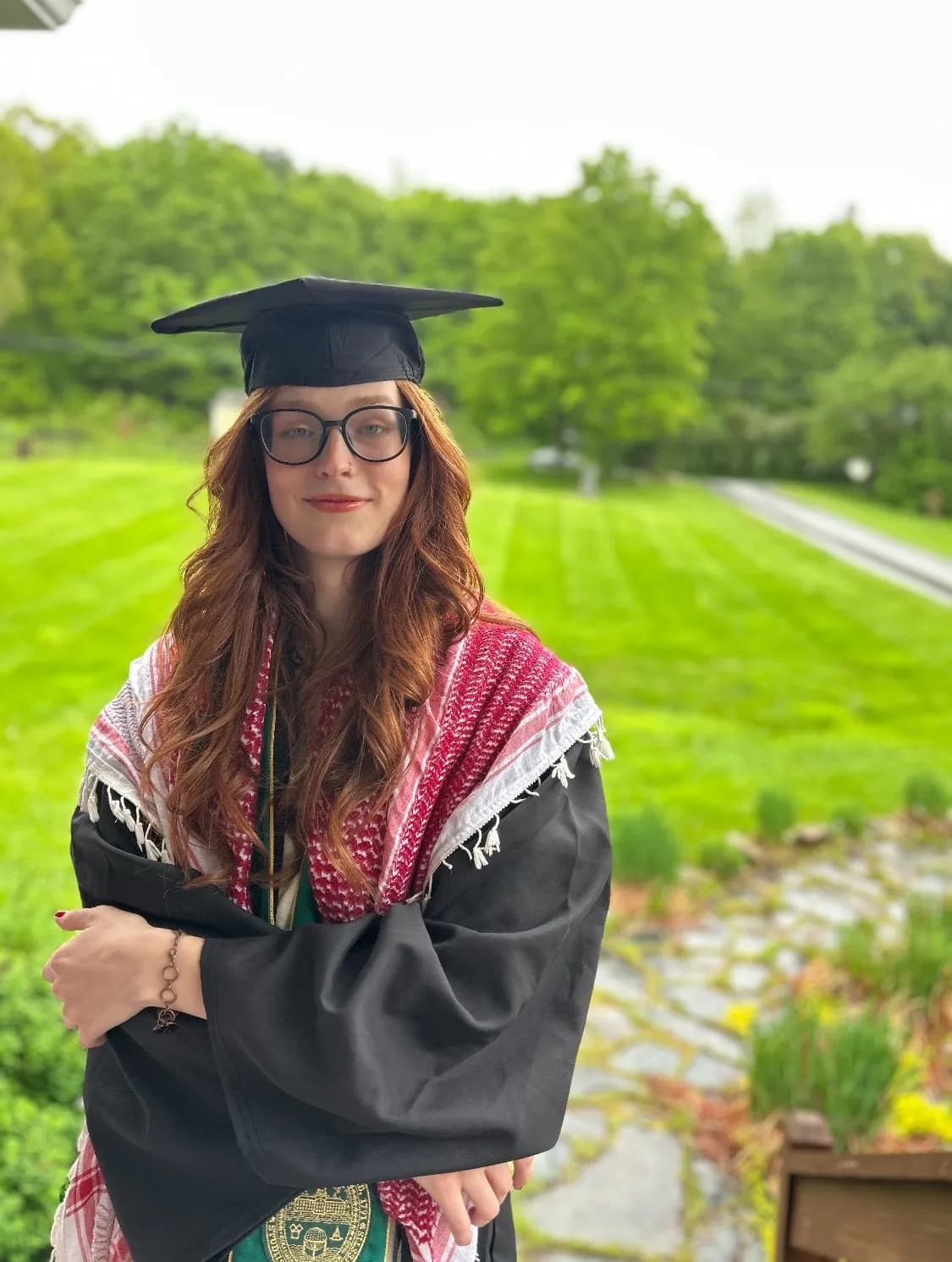
Amber Luce
She/HerMA candidate, History
I am pursuing a Master of Arts in History. I study the intersections of empire, economics, religion, and legitimacy in the early modern Mediterranean, with a focus on maritime societies in the Maghrib and the depredatory actors that defined the political environment of those regencies. I have been involved in Burlington politics since high school and spent my 3 years in undergrad involved in student organizing. As a transgender student, a renter, and a worker I'm committed to the struggle for protections, wages, and good working conditions here at UVM and beyond.
I joined the bargaining committee so that I can take the skills I learned during my time as an undergraduate student organizer into the struggle for graduate students here at UVM. After I attain my degree I will bring my experience in bargaining wherever I go next, continuing the fight for working people wherever I find myself. Presently the university administration is looking for any and every opportunity to cut funding to the people who make UVM run; a united front and cross-union solidarity is the only way to effectively fight back against the policy of imposed scarcity. I've joined the union because the only way to fight for any of us is to fight for all of us.
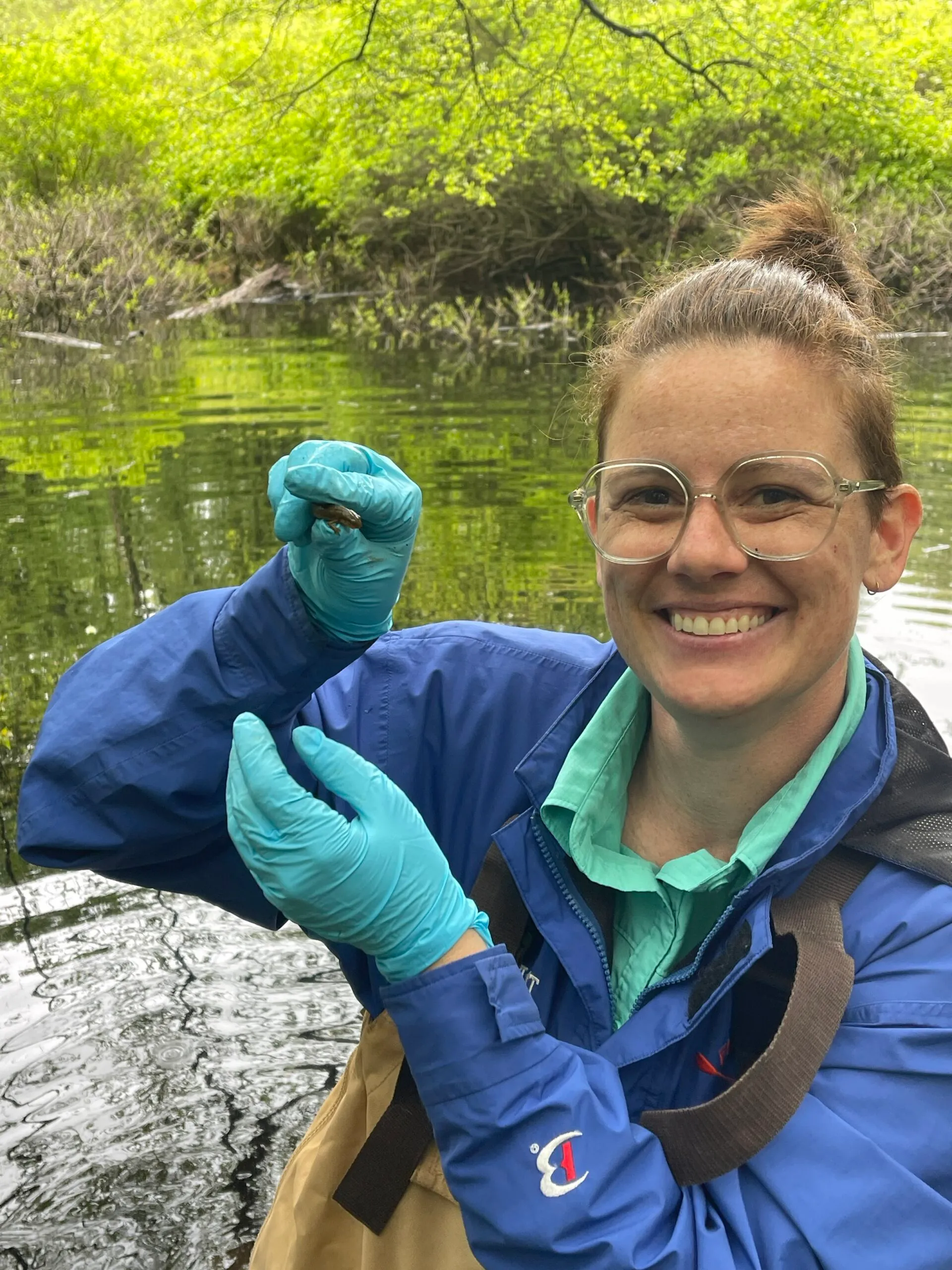
Sam Troast
She/TheyPhD student, Rubenstein School of Natural Resources
I am a PhD student in the Wildlife Ecology Research Lab at the University of Vermont. Our work centers on conservation decision-making and disease ecology. My previous research has involved modeling herpetofauna populations and my current work aims to learn more about temperature-sensitive disease dynamics in amphibian populations. We typically do some combination of field study and computer modeling to measure current and predict future ecological scenarios. In my free time, I enjoy spending time with my family, doing crossword and sudoku puzzles, hiking and camping, and taking people out “herping” (looking for reptiles and amphibians).
I was inspired to join UVM's GSU bargaining committee because I saw it as the most direct and meaningful way to support my community. I'm committed to ensuring that those I care deeply about — my fellow graduate workers — receive fair wages, safe working conditions, and a real voice in shaping our workplace. I want to help craft a contract that truly reflects the needs and priorities of all our members. Education is my highest priority, and it's deeply troubling to see dedicated graduate students — people advancing knowledge through exceptional teaching and research — struggling to afford basic necessities like groceries, rent, and healthcare. That's unacceptable, and I'm committed to fighting for the changes we need.
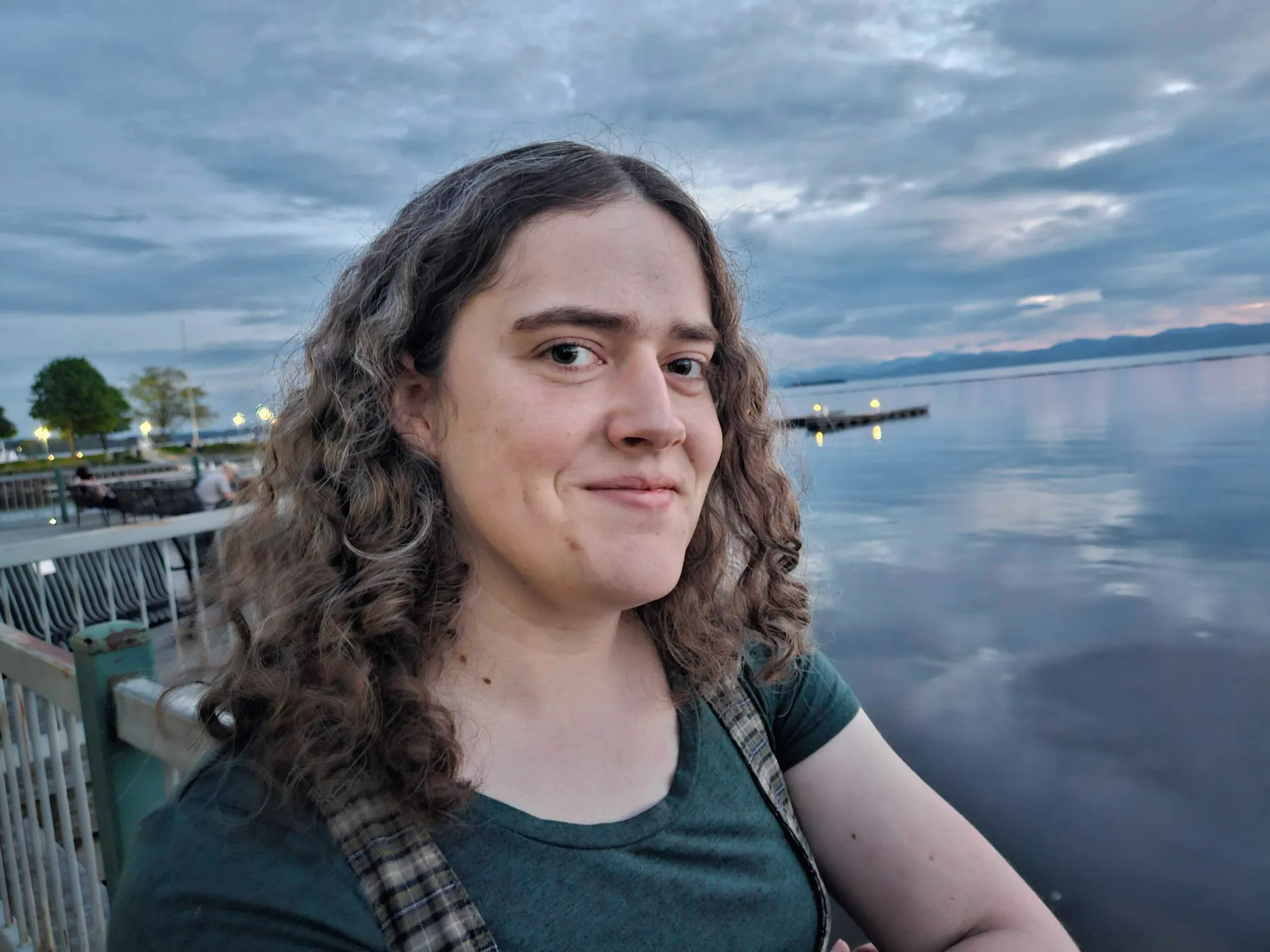
Rain Younger
She/HerPhD student, Neuroscience Graduate Program
Coming from the PhD Neuroscience Graduate program, I study learning and memory at the electrophysiological level. My research focuses on understanding how changes in neural morphology arising from genetic mutations alter the entorhinal-hippocampal circuit. We use high-density laminar probe recordings and spatial accuracy behavioral tasks in mice to answer our questions. Outside the lab, I enjoy reading, playing all sorts of games, spending time with my cats, and engaging in activism with a focus on trans and queer rights.
It was my desire to further engage in this activism that led me to working with the union. I joined the bargaining committee to ensure strong rights and protections, especially around non-discrimination and harassment, for graduate workers, knowing UVM was not going to take sufficient action to protect us during the current attacks against higher education. Through our collective power, I believe we will be able to make working at UVM safer and more financially manageable for graduate workers.
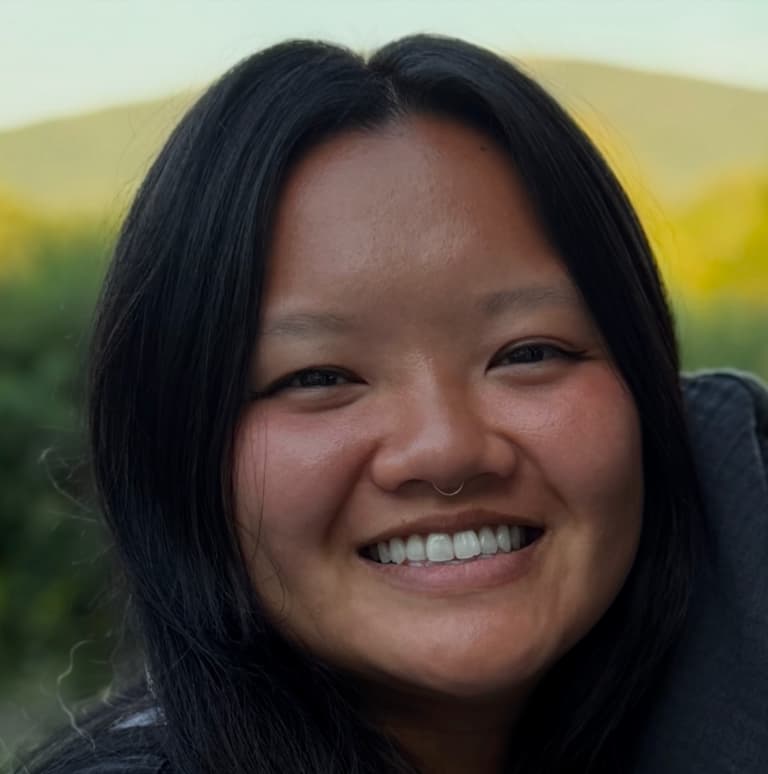
Rei Jia
She/HerPhD student, Plant Biology
I am a PhD student in the Plant Biology department, where I use genomic tools to study genetic and microbial diversity in alpine plant species in the face of climate change. I also mentor several undergraduate students who are interested in pursuing fieldwork and scientific research. In my spare time, I play board games with my friends and family, go on long walks with my dog, and listen to music.
I support a union for graduate students because student workers deserve fair wages, improved insurance and health coverage, and better support from the university at large. With the new R1 status that the university was granted in February 2025, I know that the backbone of this new designation relies on the research and work done by post-doctoral and graduate researchers who, unfortunately, are not properly compensated for their efforts. As a member of the bargaining committee, I strive to make UVM a place where graduate students are respected.
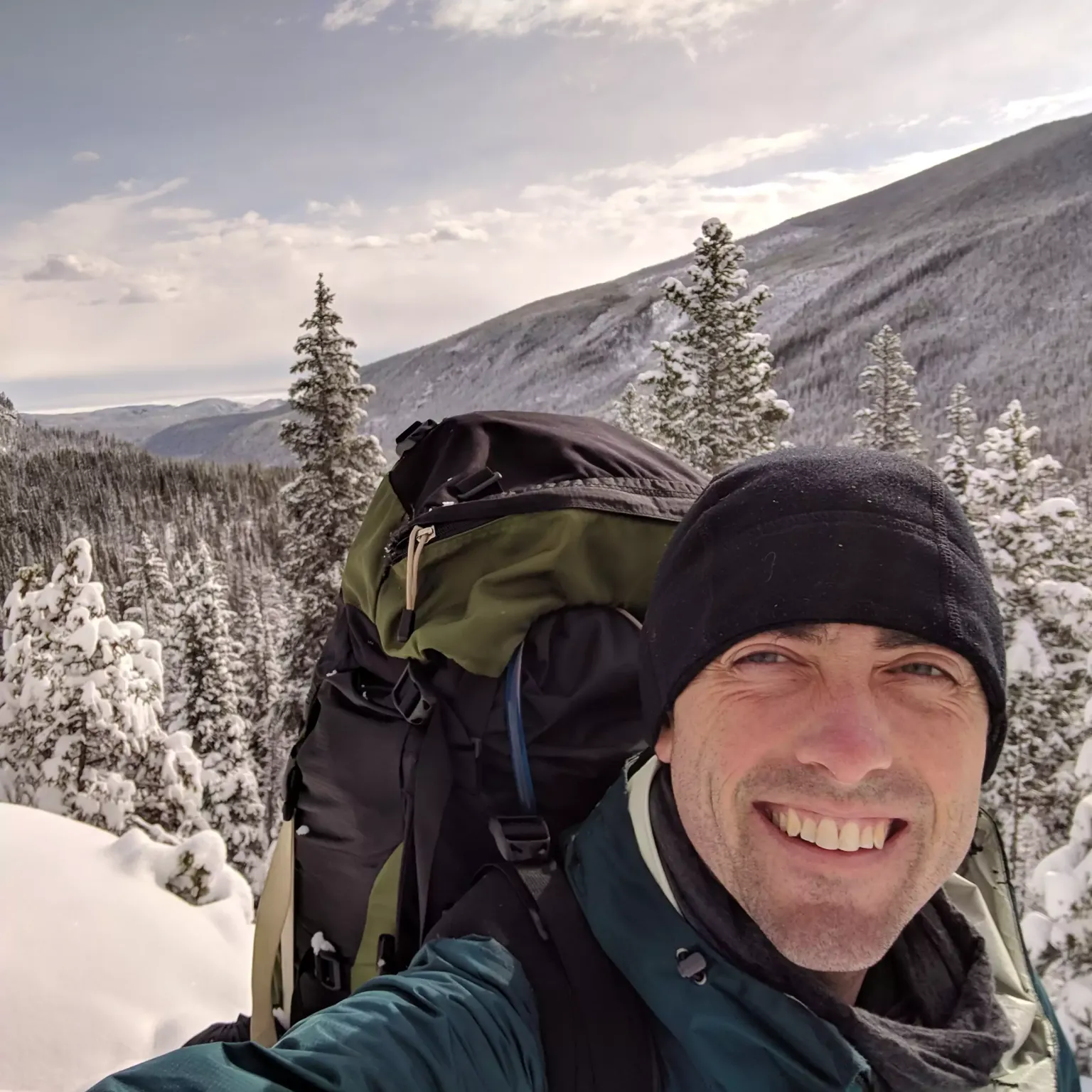
Neil Traft
He/HimPhD student, Complex Systems and Data Science
I am a PhD student and research assistant at the Vermont Complex Systems Center. My focus is on artificial intelligence — specifically better algorithms for training deep neural networks — but I'm more broadly interested in complexity science and how this relates to the emergence of life and intelligence. When not “programming” (yelling at) computers, I like to run long distances, cook overly elaborate meals, and go hiking, camping, and backpacking.
I strongly believe it is possible to achieve a 40+% increase in minimum pay, based directly on Vermont livable wage statistics. As an aspiring parent, I'm deeply personally invested in our goals toward better healthcare and parental benefits. I believe all the goals listed on the GSU website are very reasonable and can be delivered in good-faith bargaining.
I don't believe the university is fundamentally opposed to our goals, but without a union it has been too easy and too tempting to ignore our situation or make unacceptably slow progress on improving it. Now that we have a seat at the bargaining table I hold out hope that, in time, we can develop a relationship of mutual trust and respect with those on the other side of the table.
UVM Administration
Across the table
Seven people — six UVM administrators across the colleges, HR, and the office of sponsored projects, plus one outside attorney from Philadelphia, flown in for every single bargaining session.
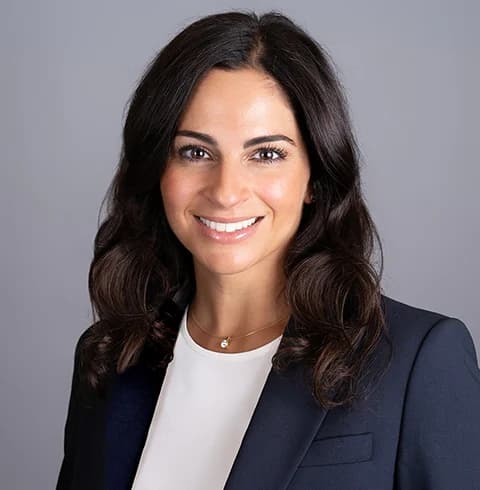
Meredith Dante
Outside Legal Counsel · UVM's lead negotiator
Partner, Ballard Spahr LLP (Philadelphia)
Partner at Ballard Spahr LLP in Philadelphia, where she co-leads the firm's Labor and Employment Group and represents employers across industries — including higher education — in a broad range of labor and employment disputes. She has negotiated first contracts for health systems and universities involving graduate students and resident physicians.
Per the GSU's own bargaining updates, UVM flies her in from Philadelphia for every bargaining session — she is not a UVM employee but rather external hired counsel. She took over as lead negotiator from Chris Lehman at the start of the current academic year, and was named to the Philadelphia Business Journal's 40 Under 40 list in 2022.
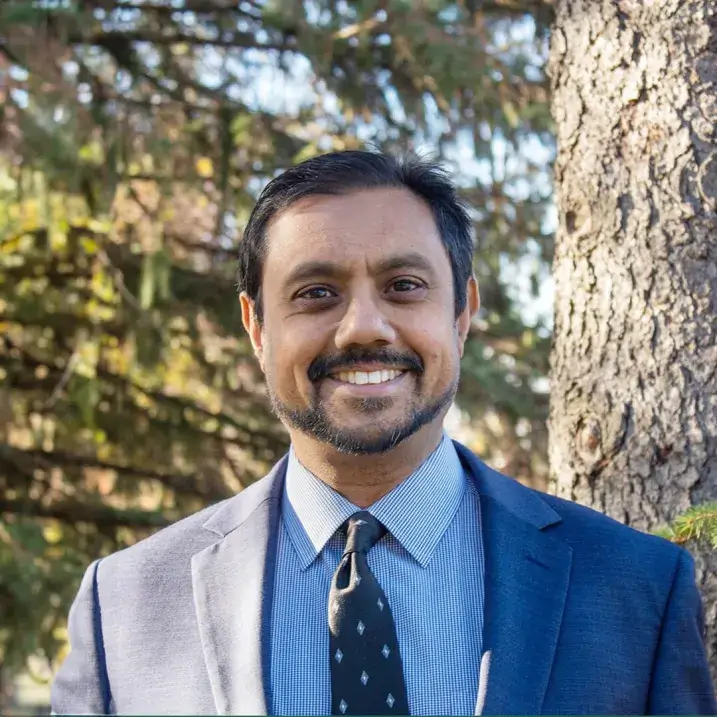
Pablo Bose
Faculty / Administrator
Professor of Geography & Geosciences · Associate Dean for Research and Graduate Education, College of Arts and Sciences
Professor in the Department of Geography and Geosciences and Associate Dean for Research and Graduate Education in the College of Arts and Sciences at UVM. His research focuses on migration, urban geography, refugee resettlement, and environmental displacement.
He's a Gund fellow and director of the Global and Regional Studies Program, and was the 2021 recipient of the George V. Kidder Outstanding Faculty Award. His role as Associate Dean for Research and Graduate Education puts him directly in the orbit of graduate student issues.
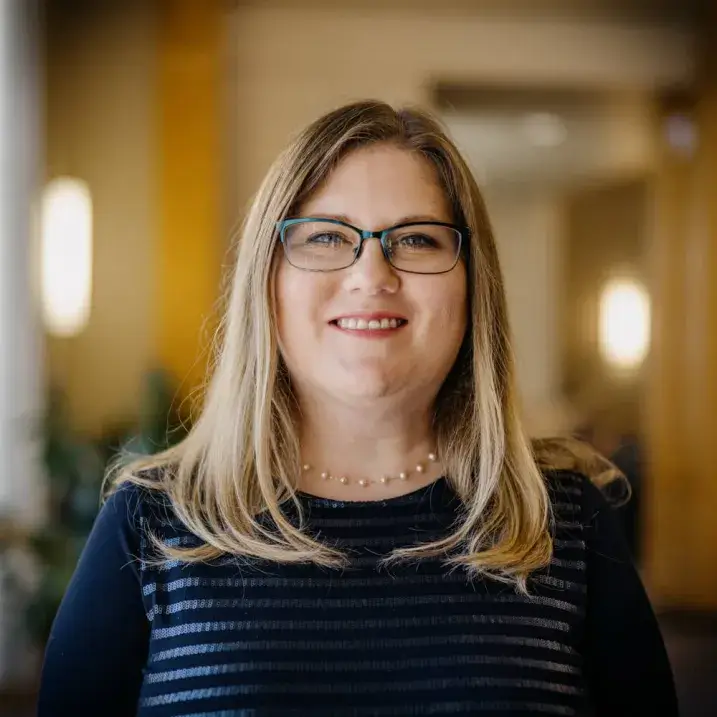
Lana Metayer
Director of Sponsored Project Administration
UVM Sponsored Project Administration
Director of Sponsored Projects at UVM's Sponsored Project Administration (SPA) office. She oversees the office that manages grant funding and research awards — which is directly tied to how graduate student stipends and fellowships are funded.
Her name appears on UVM's federal-actions page as a key contact during the current federal funding uncertainty affecting research.

Mackenzie Munro
HR Partner
UVM Human Resources
Human Resources Partner at UVM. HR Partners at UVM advise on policy, union-contract interpretation, performance management, and labor relations. She is listed as an Equal Opportunity Process Advisor and appears in UVM's federal-actions communications as a named institutional contact.
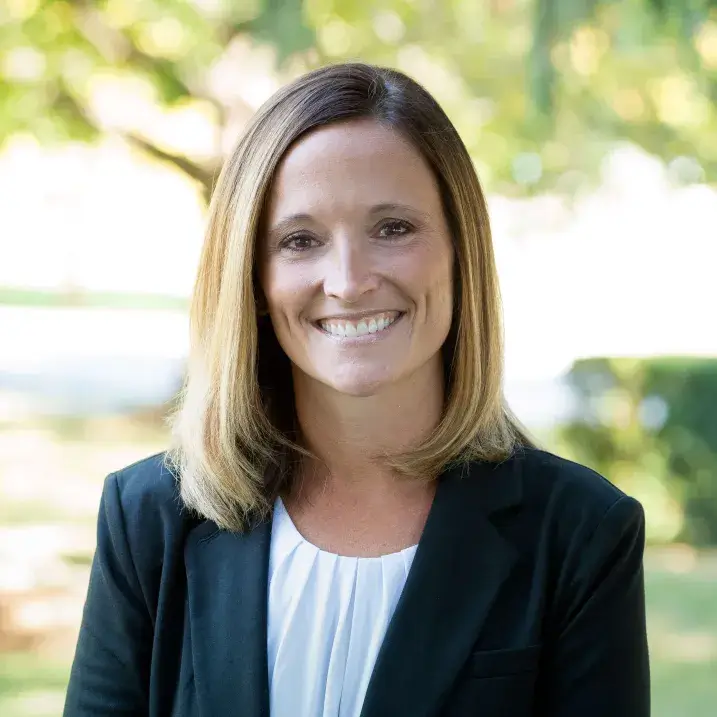
Stephanie Dion
Assistant Dean, CALS
Assistant Dean of HR & Business Operations, College of Agriculture and Life Sciences
Assistant Dean of Human Resources & Business Operations for the College of Agriculture and Life Sciences (CALS). Her background is in financial analysis and higher-education administration — previously Director of Budget at Champlain College and Senior Financial Analyst at General Dynamics before moving into university administration.
CALS is one of the larger graduate-student-employing colleges at UVM.
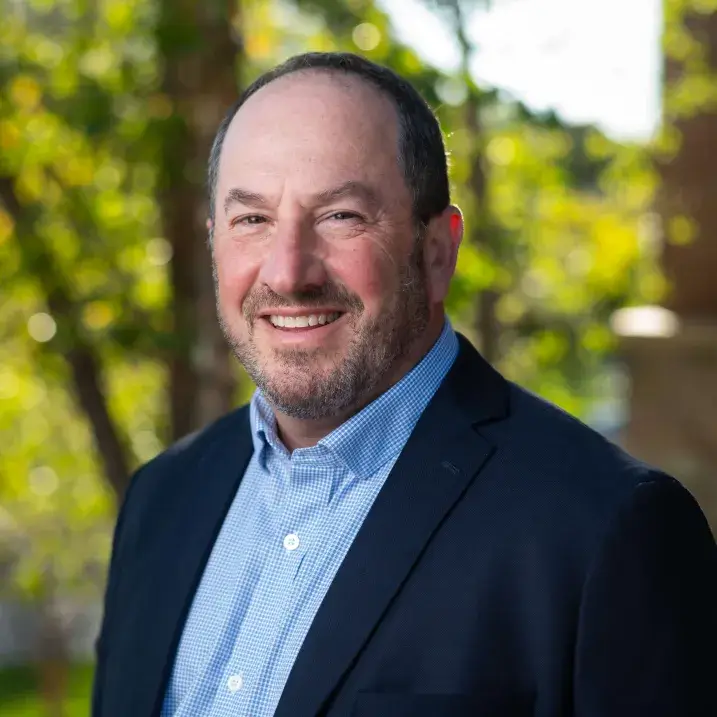
Kieran Killeen
Associate Dean, CESS
Associate Professor of Educational Leadership & Policy Studies · Associate Dean for Graduate, Non-Degree and Research Programming, College of Education and Social Services
Associate Professor of Educational Leadership and Policy Studies and Associate Dean for Graduate, Non-Degree and Research Programming for the College of Education and Social Services. His research covers education finance, teacher labor markets, and organizational theory.
As Associate Dean for Graduate programming in CESS, he sits directly in the chain of authority over graduate student employment in that college.
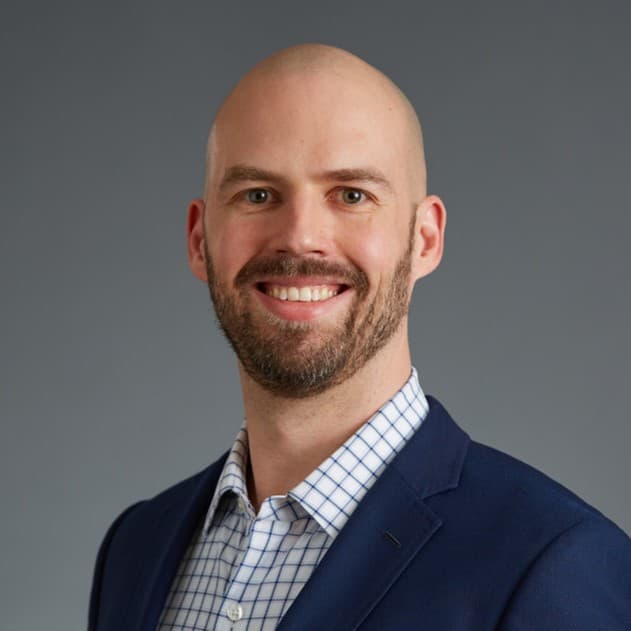
Matthew Casey
HR Partner
UVM Human Resources
Human Resources Partner at UVM.
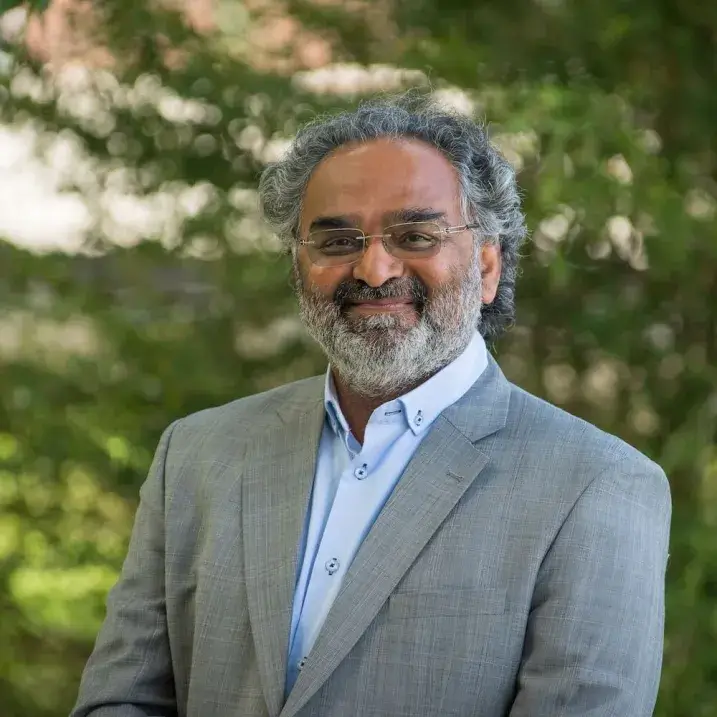
Asim Zia
Associate Dean of Research & Graduate Education, CALS
Professor of Public Policy & Computer Science · College of Agriculture and Life Sciences
Professor of Public Policy and Computer Science at UVM, with research focused on computational models of social-ecological systems, governance networks, and sustainable development. He has published over 80 peer-reviewed articles and led more than $70 million in grant-funded research from NSF, the MacArthur Foundation, and federal agencies.
As Associate Dean of Research and Post-Graduate Education in the College of Agriculture and Life Sciences, he holds direct institutional authority over graduate student employment in one of UVM's largest colleges. He also directs the Institute for Environmental Diplomacy and Security and was appointed a Fulbright Global Scholar (2021–2023).
Hold everyone accountable.
The fastest way to support the bargaining team is to email UVM administration with the facts they already know — and remind them of the values they already publish.